

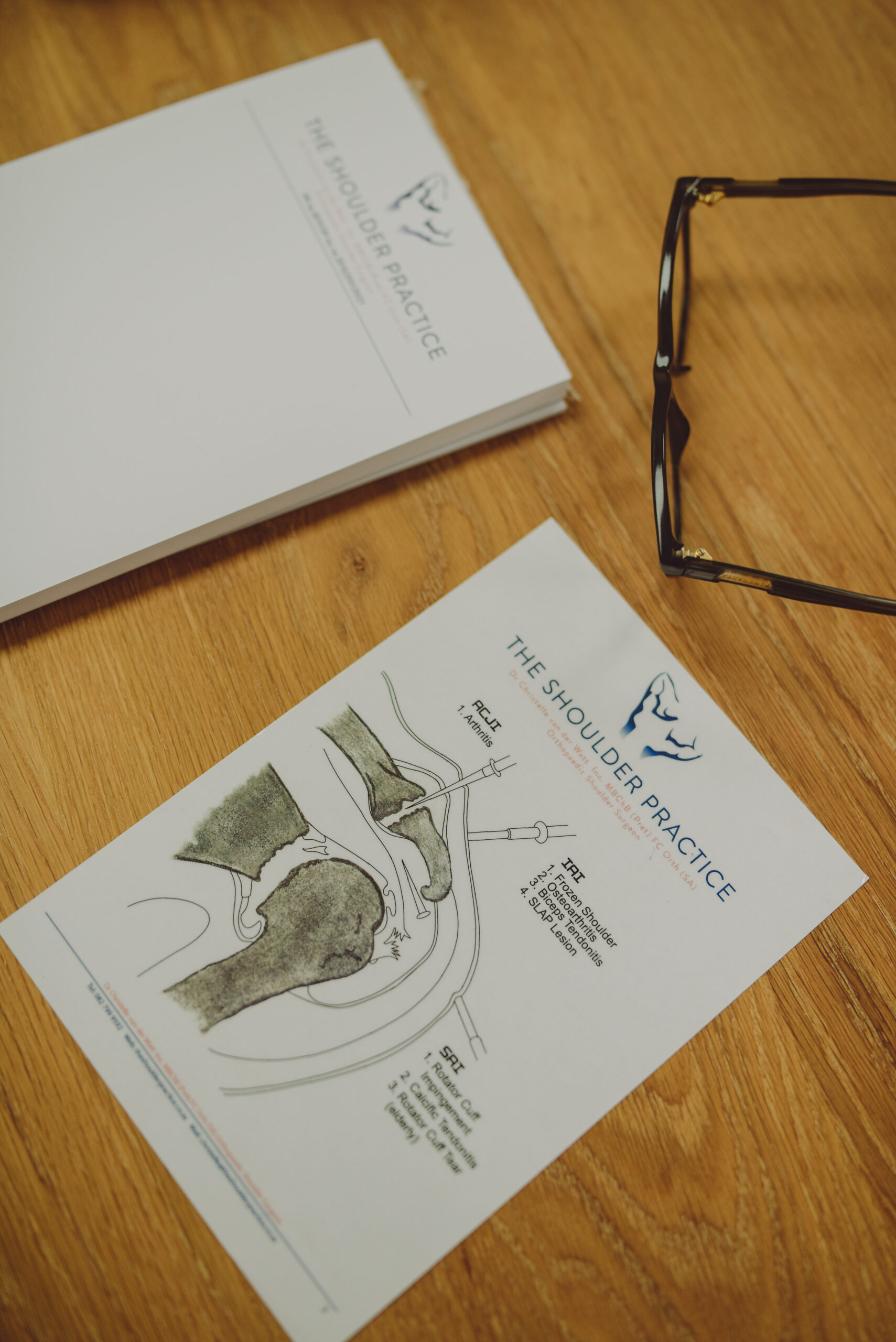
Why Have a Cortisone Injection?
Injecting cortisone gets it directly to the inflamed region quickly. Your doctor may suggest an injection if resting, wearing splints, or taking oral medication doesn’t relieve your pain. Injecting cortisone is less complex than having surgery. And cortisone often provides the lasting pain relief that can help you get out and enjoy life again.
What Does the Injection Treat?
Injecting cortisone can relieve pain for anything from a sports injury to arthritis. You may have an injection for treating inflammation, a sprain, or other problems. Over the course of treatment, your doctor may not inject the same region more than a few times.
You’re Injection Experience
Being injected with cortisone is simple and doesn’t take long. But your doctor may ask you questions about your health. Certain medical conditions, such as diabetes, can be affected by cortisone.
Getting the Injection
Your doctor may start by cleaning and numbing your skin at the injection site. Next, you’ll be injected with local anesthetics (for short-term pain relief) and cortisone. It may take a moment for your doctor to get the needle to the precise region. A small bandage will be applied over the injection site. You’ll then be ready to go home.
The Next Day or Two
Some patients feel more pain after being injected. This is normal, and it will go away soon. Rest for the first day or two. You don’t need to stay in bed. But avoid tasks that may strain the injured regions.
Risks and Complications
Being injected with cortisone has certain risks and possible complications.
These could:
- Briefly increased pain
- Changes in blood sugar levels
- Ruptured tendon (tissue that connects muscle to bone) (very rare)
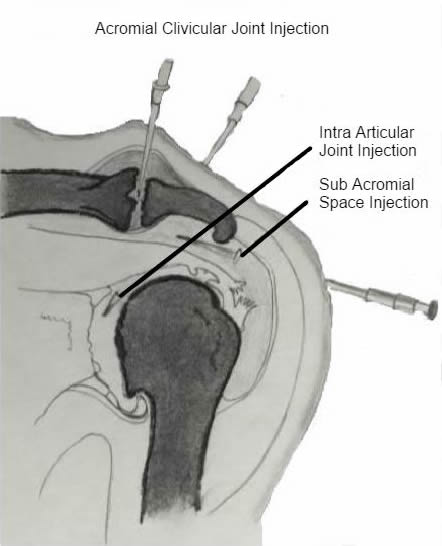
A Strong Anti-Inflammatory Cortisone is a type of steroid. It can greatly reduce inflammation (swelling, redness and irritation). Cortisone (or a synthetic steroid) is unlike the steroids some athletes take. It won’t make you gain weight or get bigger muscles. Since it’s injected into an inflamed region and not taken as a pill, little of it goes beyond that region. With oral steroids, side effects can occur throughout the body. But with a steroid injection for local inflammation, you’re not likely to have those side effects. Hope this is helpful also in the education of your patients.